In 2026, you have exactly 1.2 seconds to stop a user from scrolling. Your video intro isn’t just a placeholder; it’s a psychological “handshake” that tells your audience whether you are a professional authority or an amateur hobbyist. While professional motion designers charge upwards of $500 for a 5-second logo reveal, the rise of Cloud-Based Motion Engines has democratized high-end animation.
The most effective way to increase your viewer retention is to use a “Bumper Intro”—a short, 3-to-5 second burst of branding that sets the mood without delaying the content. This step-by-step guide to the best free intro makers of 2026 will help you build a cinematic opening for $0.

1. Canva: The No-Watermark Champion
In 2026, Canva has solidified its place as the “People’s Choice” for video intros. It is the only major platform that offers a massive library of high-definition intro templates that can be exported without a watermark on the free tier.
- Magic Media (AI Video): New for 2026, Canva’s “Magic Media” allows you to type a prompt like “Cinematic gold dust swirling around a minimalist logo” and generates a unique video background for your intro.
- The “3D Element” Library: Canva now includes “3D Graphics” that you can rotate and animate in a 3D space, allowing you to create depth that was previously only possible in software like After Effects.
- One-Click Animation: You don’t need to understand keyframes. You can select your logo and hit “Neon,” “Stomp,” or “Drift” to apply professional motion physics instantly.
- Beat Sync: For 2026, the free version includes basic “Beat Sync” which automatically aligns your text animations to the “drops” in your chosen music track.
A common mistake to avoid is making your intro too long. In 2026, the data shows that intros longer than 6 seconds lead to a 20% drop in viewership. Stick to the “Micro-Bumper” format for best results.
2. Adobe Express: The Cinematic Royalty
Adobe Express is where you go when you want your intro to feel like a “Film Production.” Leveraging Adobe’s professional color-grading and font libraries, it provides a level of “polish” that is hard to beat.
- Adobe Firefly Integration: Use AI to generate “Text Effects.” Want your logo to look like it’s made of liquid chrome or flaming embers? Adobe Express can render that text style instantly based on a prompt.
- Royalty-Free Adobe Stock: The free tier includes access to thousands of professionally shot “B-Roll” clips. You can find a high-speed drone shot of a mountain or a sleek “code-rain” background to use behind your logo.
- Professional Typography: Access to a curated set of Adobe Fonts ensures your channel name looks elegant and readable, avoiding the “generic” look of standard web fonts.
- Seamless Resizing: In one click, you can turn your horizontal YouTube intro into a vertical TikTok “Intro Sticker” or an Instagram Reel cover.
3. Panzoid: The Gaming & 3D Specialist
If you are in the gaming, tech, or “EDM” niche, Panzoid is a cult classic that has evolved into a powerhouse in 2026. It is a community-driven 3D animation tool that lives entirely in your browser.
- True 3D Environment: Unlike Canva, Panzoid is a “Real-Time 3D Engine.” You can move the camera in a 3D coordinate system ($X, Y, Z$), add custom lighting, and create complex “particle bursts.”
- Community “Creations”: The heart of Panzoid is its community. You can browse thousands of user-made templates—from “Fortnite-style” 3D name reveals to minimalist “Tech-Vibe” intros—and edit them directly.
- Open Source Spirit: It is largely free, though the 2026 “Next-Gen” version offers a premium tier for ad-free editing and 4K exports.
- Advanced Audio Visualizers: For music creators, Panzoid’s “Backgrounder” tool allows you to create intros where your logo “pulses” and vibrates in perfect sync with the bass of your track.
4. Renderforest: The “Instant Pro” Render Engine
Renderforest is designed for the user who has “Zero Time.” It uses a template-based system that yields “Broadcast Quality” results with almost no manual effort.
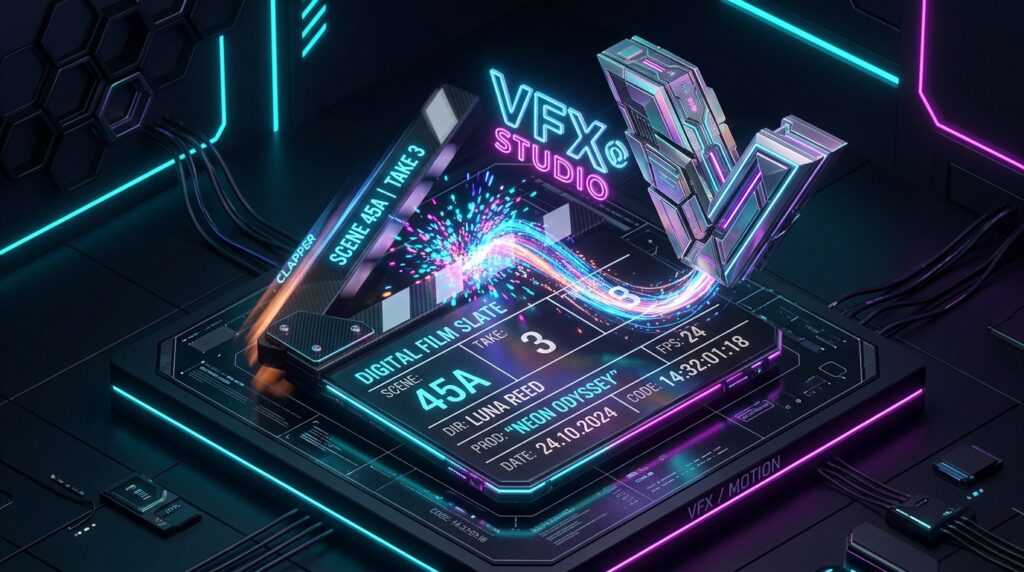
- Professional VFX Packs: Their templates include “Real 3D” renders, such as a logo being etched into wood, forged in fire, or appearing in a high-tech “Hologram” display.
- AI Script-to-Intro: You can describe your channel’s vibe, and the AI will suggest a “Video Pack” that matches your industry (e.g., “Corporate Professional” vs. “Streetwear Bold”).
- Mockup Integration: In 2026, you can see your intro playing on a digital billboard or a smartphone screen within the editor, helping you visualize how it will look on different platforms.
- The “Free” Catch: Renderforest is high-quality, but the free tier usually includes a small watermark. However, for 2026, they offer “Daily Credits” that allow for one watermark-free 720p export every 24 hours.
5. InVideo AI: The “Prompt-to-Video” Future
InVideo has shifted its focus in 2026 to be the leader in “Generative Intros.” It is the best tool for creators who don’t want to use a template at all.
- The Prompt Interface: You simply type: “Create a 5-second high-energy intro for a travel vlog called ‘The Global Nomad’ featuring fast cuts of tropical beaches and upbeat house music.” The AI then builds the script, selects the footage, and applies the text.
- Voiceover Cloning: In 2026, you can “clone” your own voice. InVideo can then use your AI voice to announce your channel name over the intro music, creating a highly personal brand touch.
- Massive Asset Library: Even on the free tier, InVideo provides access to millions of standard stock assets from sources like iStock, which are integrated directly into the AI search.
- AI Editing via Chat: Don’t like a scene the AI chose? You can type “Make the music louder” or “Change the font to something more aggressive,” and the AI updates the video in real-time.
Comparison: The 2026 Intro Maker Selection
| Tool | Best For | Standout Feature | Watermark? |
| Canva | General Use / Social | Magic AI Video | No (On Free Templates) |
| Adobe Express | Cinematic / Branding | Adobe Firefly Fonts | No (On Free Tier) |
| Panzoid | Gaming / 3D Art | Real-time 3D Engine | No (Standard) |
| Renderforest | “Studio” Logo Reveals | High-End 3D Packs | Yes (Small) |
| InVideo AI | Prompt-to-Video | Full AI Generation | Yes (Free Version) |
The 2026 “Intro Rulebook”
Based on industry research, the “Intro” is no longer the “Opening Scene”—it is the “Hook.” Follow these three 2026 standards:
- The “Silent” Test: 70% of social media videos are watched without sound. Does your intro look exciting even if I can’t hear the music? Use bold text animations to ensure your brand name is read.
- The “Vibe” Match: Your intro should match the energy of your video. If you are doing a relaxing cooking vlog, don’t use a “Heavy Metal” 3D explosion intro. Use a “Soft Fade” or a “Minimalist Line-Art” reveal from Adobe Express.
- Variable Resolution: In 2026, “Auto-Reframing” is essential. Use InVideo or Canva to ensure your horizontal logo fits perfectly in a vertical 9:16 frame for YouTube Shorts.
Final Thoughts
Your video intro is the first impression your brand makes on the world. In 2026, you no longer need to settle for a “good enough” opening. By leveraging the AI generation of InVideo, the 3D power of Panzoid, or the polished templates of Adobe Express, you can ensure your content starts with a “Bang”—without spending a penny.