
In 2026, keyword research has moved beyond “Search Volume” and into “Intent Mapping.” It is no longer enough to know that 10,000 people searched for a term; you must understand if they are looking for a quick AI summary, a deep-dive tutorial, or a product comparison. With the rise of Generative Search Optimization (GEO), your keyword strategy must now account for how AI models categorize and cite information.
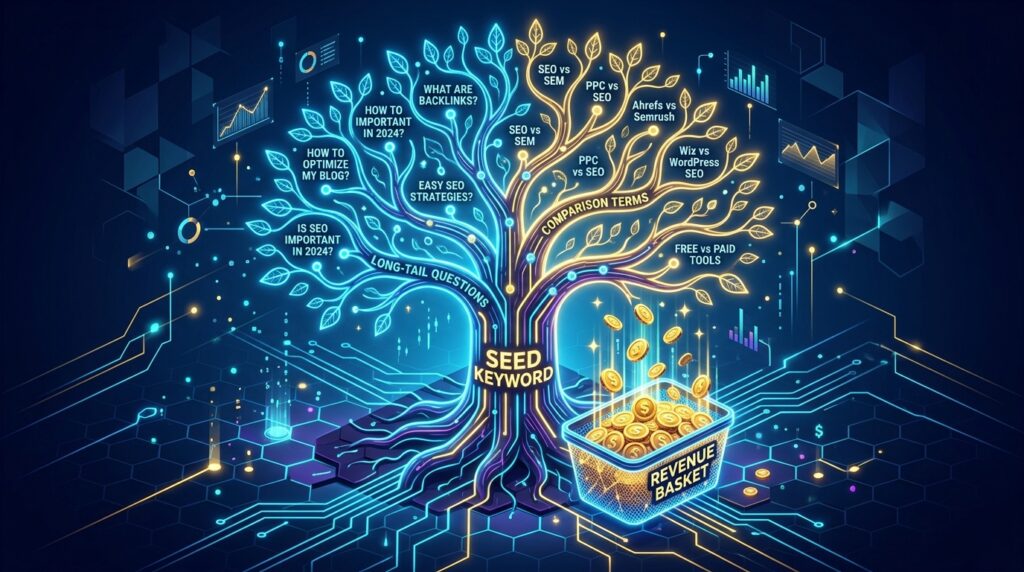
The “Golden Rule” of 2026 keyword research is Topic Authority. Search engines now prioritize “Cluster Keywords”—groups of related terms that prove you are an expert on a subject. The platforms that have dominated 2026 are those that provide not just single words, but entire “Semantic Maps” of your niche.
The most effective way to grow your traffic today is through Question-Based Targeting. By answering the specific “Who, What, Where, Why” questions your audience is asking, you capture the “Featured Snippet” and the “AI Overview” simultaneously. This step-by-step guide to the top 5 free keyword tools of 2026 will show you how to find these “hidden” opportunities for $0.
1. Google Keyword Planner: The “Horse’s Mouth” Data
In 2026, Google Keyword Planner (GKP) remains the foundational tool for any SEO or PPC professional. While it is technically a tool for advertisers, its direct access to Google’s internal database makes it the most accurate source for search demand.
- Broad Range Search Volume: While GKP now shows search volume in ranges (e.g., 1k–10k) for free accounts, it remains the “Source of Truth” for seasonal trends. In 2026, its “Trend Forecast” tool is vital for identifying which keywords will be “Hot” three months from now.
- Geographic Granularity: This is the best tool for Local SEO. You can see exactly what people are searching for in a specific city or even a specific zip code, allowing for hyper-local content targeting.
- The “Grouped Ideas” Feature: New for 2026, GKP’s AI can automatically “Group” your keyword results into logical clusters. This allows you to plan your “Category Pages” and “Silo Structure” in seconds.
- Zero Cost / No Limit: As long as you have a Google Ads account (which is free to create), you have unlimited access to GKP. There are no “3-searches-per-day” limits here.
A common mistake to avoid is treating “Competition” in GKP as “SEO Difficulty.” In GKP, competition refers to how many advertisers are bidding on a keyword. A keyword with “High” competition in GKP might actually be “Low” competition in organic search if no one has written a high-quality blog post about it.
2. AnswerThePublic: The “Conversational Search” Compass
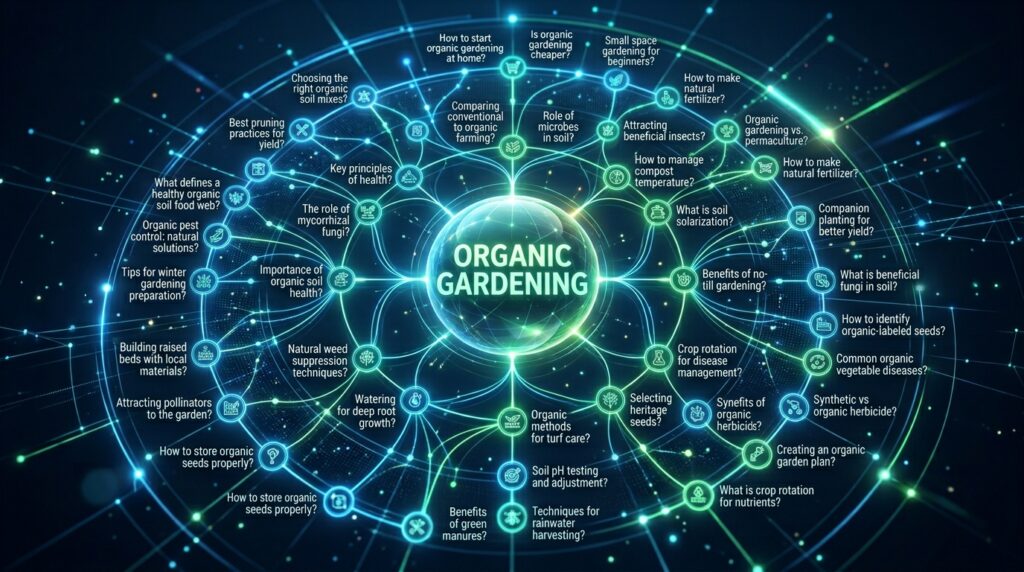
AnswerThePublic has become the essential tool of 2026 for Search Listening. As voice search and AI chat dominate, the way people “ask” the internet for things has changed from two-word phrases to full, natural-language questions.
- The Radial Visualization Map: This is the most famous feature in the industry. It visualizes your seed keyword as a “wheel” of questions (Why, How, Can, Will). In 2026, answering these “Radial Questions” is the fastest way to win a Google AI Overview citation.
- Comparison & Preposition Branches: It shows you exactly how people are comparing products (e.g., “Keyword A vs. Keyword B”). In 2026, “Comparison Content” has the highest conversion rate for affiliate and e-commerce sites.
- Search Engine Switching: You can switch between Google, YouTube, Bing, and even TikTok and Amazon data. This is vital for 2026 “Multi-Platform” SEO strategies.
- The 3-Daily Limit: While the free version is restricted to 3 searches per day, each search provides up to 500+ unique questions. If you export these to CSV immediately, a single search can provide enough content ideas for an entire month.
3. Ubersuggest: The All-In-One Beginner’s Hub
Founded by Neil Patel, Ubersuggest has evolved in 2026 into a “Lite” version of premium tools like Ahrefs or Semrush. It is the best choice for beginners who need to see “SEO Difficulty” scores for free.
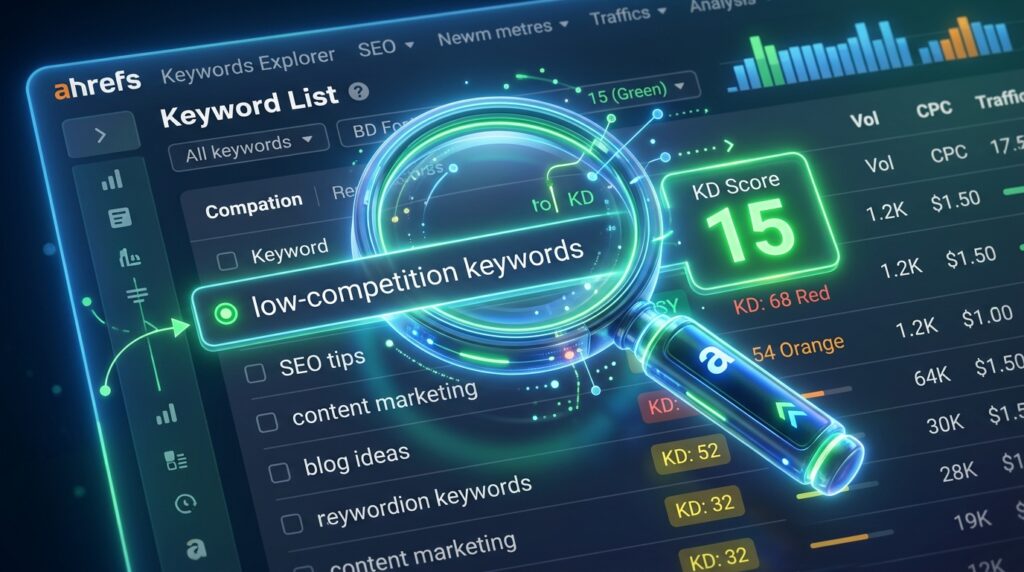
- The “SEO Difficulty” (SD) Score: Ubersuggest provides a 1–100 score for every keyword. In 2026, its algorithm has been updated to account for “AI Authority,” helping you identify keywords that are “low competition” for both humans and AI models.
- Keyword Ideas & Suggestions: By entering a seed keyword, you get a massive list of “Related,” “Questions,” and “Comparison” terms. It also shows you the Top 10 Pages ranking for that term, including their estimated visits and backlink count.
- The Chrome Extension: In 2026, the Ubersuggest extension is a powerhouse. It shows you keyword data directly on the Google Search page, including the “Monthly Search Volume” and “CPC” without you ever having to open a dashboard.
- Daily Search Limits: The free web version allows for 3 searches per day, but if you install the Chrome extension and sign in, you often get a generous “Daily Allowance” that is sufficient for most small-to-medium blog projects.
4. Ahrefs Keyword Generator: The “Premium” Quality Data
Ahrefs is a multi-thousand dollar tool, but their Free Keyword Generator is a “hidden gem” in 2026. It uses the exact same data as their paid “Keywords Explorer,” but in a simplified, free interface.
- 100 Keyword Ideas per Search: When you enter a term, Ahrefs generates the top 100 related keywords and the top 50 related questions.
- Keyword Difficulty (KD) Accuracy: Ahrefs’ KD score is widely considered the most accurate in the industry. In 2026, they use a “Link-Based” calculation that tells you exactly how many backlinks you need to rank on Page 1.
- Platform Diversity: You can generate keywords specifically for YouTube, Bing, and Amazon. This is the #1 tool for 2026 Amazon FBA sellers who need to optimize their product titles for free.
- Real-Time Data: Unlike other free tools that cache data for weeks, Ahrefs’ free generator provides “Live” metrics, ensuring you aren’t chasing “dead” trends.
5. Google Trends: The “Momentum” Tracker
In 2026, Google Trends is the tool that prevents you from “building on a sinking ship.” It doesn’t show you search volume; it shows you Search Interest over time.
- Seasonal Validation: Before you write a 2,500-word post, use Trends to see if interest in that topic is “Rising” or “Falling.” In 2026, “Evergreen” content is harder to rank; you want to catch keywords that are in a long-term growth phase.
- Related “Breakout” Topics: The “Related Queries” section shows you keywords that have grown by 5,000%+ in the last 30 days. These are the “First Mover” opportunities that can get you to #1 before the major sites even notice.
- Regional Comparison: See if a keyword is popular in your target country. For example, “AI Consulting” might be peaking in the US but only just starting to trend in India—allowing you to pivot your content for different markets.
- Compare Feature: You can compare two keywords (e.g., “Remote Work” vs. “Hybrid Work”) to see which term the public is currently using. In 2026, using the “Right Word” is the difference between being found and being ignored.
Comparison: Which Free Keyword Tool Should You Use?
| Tool | Best For | 2026 “Pro” Tip | Daily Limit |
| Google Keyword Planner | Accurate Volume | Use for Local SEO zip-code data. | Unlimited |
| AnswerThePublic | Question Ideas | Export to CSV every morning. | 3 Searches |
| Ubersuggest | SEO Difficulty | Use the Chrome Extension for more data. | 3 Searches |
| Ahrefs Generator | Data Accuracy | Focus on KD < 20 for fast ranking. | Unlimited (Partial list) |
| Google Trends | Finding Trends | Look for “Breakout” related queries. | Unlimited |
The 2026 “Keyword Dominance” Routine: 3 Steps to the Top
To outrank the competition in 2026, follow the “Authority-First” protocol:
- Phase 1: The “Seed” Discovery (Google Trends): Identify a topic that is “Rising.” Don’t waste time on dying trends.
- Phase 2: The “Cluster” Build (AnswerThePublic + Ahrefs): Use AnswerThePublic to find the “Questions” and Ahrefs to find the “KD < 20” terms. Build a list of 10 related keywords.
- Phase 3: The “Context” Check (Google Keyword Planner): Use GKP to see the seasonal peaks. Schedule your content to go live 30 days before the peak search volume occurs.
Final Thoughts
Keyword research in 2026 is no longer about “stuffing” words into a post; it is about deciphering the user’s intent. The searchers of today are more sophisticated, and the AI models that serve them are even smarter.
By leveraging the official data of Google, the visual genius of AnswerThePublic, and the technical accuracy of Ahrefs, you are building a content strategy that is both human-friendly and bot-optimized. The tools are free. The data is available. Your only job is to turn those keywords into the best possible answer on the internet.






Leave feedback about this