

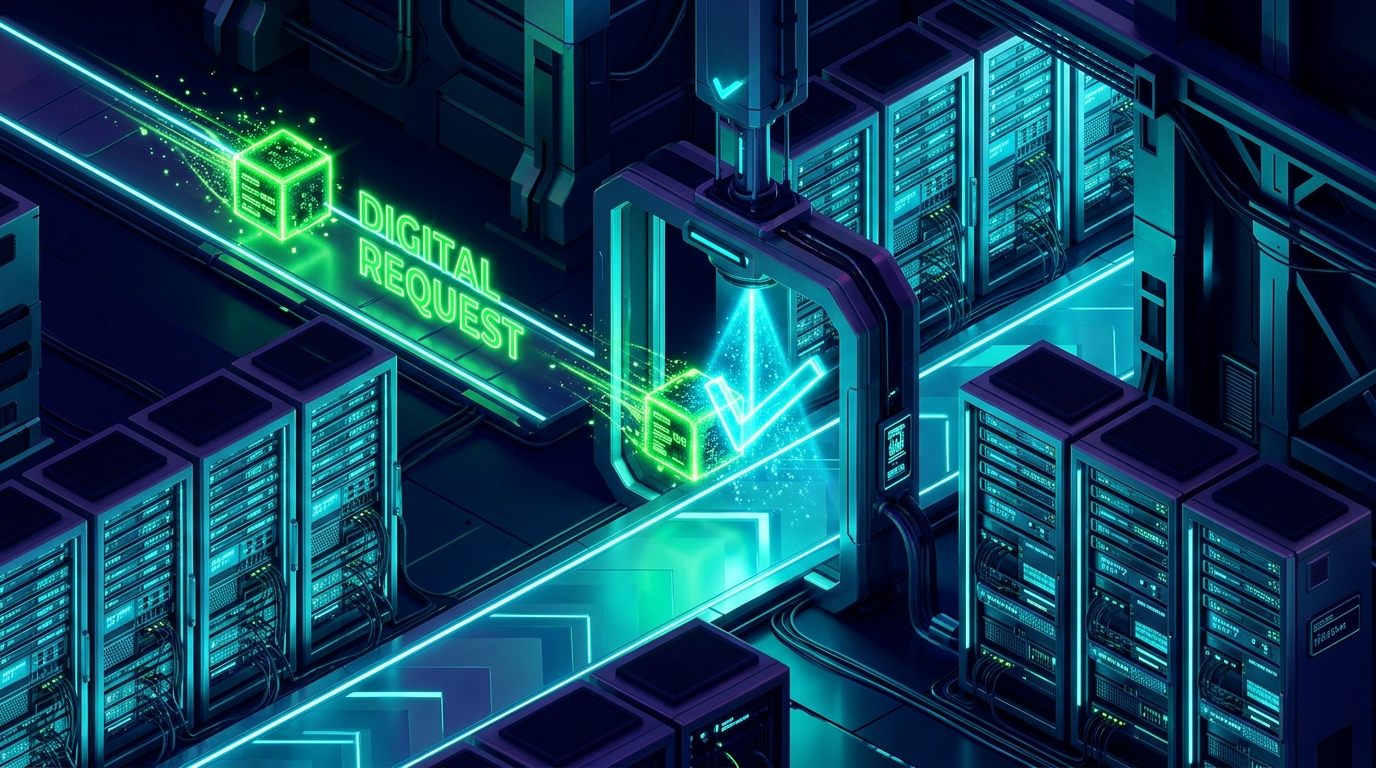
In 2026, the cost of a broken API is measured in lost autonomy. If an AI agent cannot interpret your response schema, or if a microservice latency spikes during a peak-load event, your entire ecosystem halts. We have moved past the era of “Basic REST” into a world of Multi-Protocol Complexity, where a single project might juggle REST, GraphQL, gRPC, and WebSockets simultaneously.
The “Golden Rule” of 2026 API testing is Design-First Validation. You don’t test the code; you test the Contract. The platforms that have dominated 2026 are those that offer Git-based collaboration, Offline-first workflows, and AI-Assisted Test Generation—all without locking your data in a proprietary cloud.
The most effective way to scale your software today is to treat your API tests as “First-Class Code.” This step-by-step guide to the top 5 free API testing tools of 2026 will show you how to build a world-class testing suite for $0.
1. Postman: The Collaborative Giant (with AI Postbot)
In 2026, Postman remains the “Home Base” for the global developer community. While it has shifted toward an enterprise-first model, its Free Tier has been redesigned to support the individual “Solopreneur” and small dev labs like Sattive Dev Labs.
- Postbot (AI Assistant): This is the 2026 standout. You can now use natural language to say, “Generate tests to ensure the response is a valid JSON and the latency is under 200ms,” and Postman writes the JavaScript assertions for you instantly.
- Support for the “Modern Stack”: Postman in 2026 isn’t just for REST. It offers native support for GraphQL, gRPC, WebSockets, and MQTT. If you are building IoT extensions or real-time mobile apps, Postman is your unified command center.
- The New “API Catalog”: This acts as a live operational layer. You can see your API specs, collection activity, and even Production Observability data in one view, helping you catch breaking changes before they hit your users.
- Newman CLI: For the “DevOps” pro, Postman’s CLI runner (Newman) allows you to run your entire test collection in any CI/CD pipeline (GitHub Actions, GitLab) for free, ensuring your code is tested before every deployment.
A common mistake to avoid is keeping all your data in Postman’s cloud. In 2026, security is paramount. Use the “Local Scratchpad” feature for sensitive API keys and internal-only endpoints to ensure your data stays on your machine.
2. Hoppscotch: The Lightweight, Open-Source Challenger
Formerly known as Postwoman, Hoppscotch has become the 2026 favorite for developers who value Speed and Privacy. It is a 100% open-source, browser-based (PWA) tool that requires zero installation.
- Instant Load Times: Because it’s a Progressive Web App, Hoppscotch loads in milliseconds. In 2026, where Electron apps are often criticized for memory bloat, Hoppscotch is the “snappy” alternative that doesn’t slow down your laptop.
- Self-Hostable Freedom: For teams that need 100% control, you can host Hoppscotch on your own server using Docker. This ensures your API collections and environment variables never leave your private infrastructure.
- Real-Time Collaboration (Free): Hoppscotch offers unlimited workspaces and collections on its free tier. In 2026, this makes it the #1 choice for “Open Source” teams who need to collaborate without hitting a “User Cap” or a “Paywall.”
- Multi-Protocol Power: It supports REST, GraphQL, WebSockets, SSE, and Socket.IO. If you are developing real-time notifications or streaming data APIs, Hoppscotch’s interface is the cleanest way to visualize the flow.
3. Insomnia (by Kong): The “Design-First” Powerhouse
Maintained by the API gateway giant Kong, Insomnia is the 2026 choice for developers who prioritize API Design and GraphQL. It is a sleek, “distraction-free” desktop client that treats your API as a formal contract.
- OpenAPI & Swagger Integration: Insomnia is built for “Design-First” development. You can import your OpenAPI spec, and it will automatically scaffold your entire test suite. In 2026, this “Contract Testing” ensures your frontend and backend stay perfectly synced.
- Elite GraphQL Support: Insomnia offers the best GraphQL explorer in the industry, featuring schema introspection, autocompletion, and support for GraphQL Subscriptions. It feels like a premium IDE dedicated solely to your data layer.
- Git Sync (Free Tier): This is the “Secret Weapon” of 2026. Insomnia allows you to sync your API collections directly to a Git repository. Your tests become part of your source code, enabling a “GitOps” workflow where tests are versioned alongside your app.
- Inso CLI: Like Newman, the Inso CLI allows you to run your design-first tests in your CI/CD pipeline, catching schema violations before they cause a production outage.
4. Bruno: The “Git-Friendly” Local Specialist
Bruno is the 2026 breakout hit. It was built with a radical philosophy: Your API collections should be files in your project folder, not data in someone else’s cloud.
- Offline-First / No Cloud: Bruno does not have a “Cloud Sync” feature. It saves your collections as simple
.brufiles directly in your Git repository. In 2026, this is the ultimate solution for “Data Sovereignty” and security-conscious developers. - No Account Required: You download Bruno and start testing. There is no “Login to continue” and no “Mandatory Cloud Sync.” It is a tool for developers who want to get work done without the “SaaS bloat.”
- Git-Based Collaboration: Because your tests are just files, you collaborate using standard Git workflows (
git pull,git merge). There are no “Conflict Resolutions” in a web UI; you resolve them in your favorite code editor. - The Bruno CLI: A lightweight runner that lets you execute your project-based tests in any environment, making it perfect for “Local-First” development teams and high-privacy sectors like Fintech.
5. Apache JMeter: The “Performance & Load” Veteran
While others focus on “Functionality,” JMeter is the 2026 champion for API Performance and Stress Testing. It is a 100% free, open-source Java application that can simulate thousands of users hitting your API at once.
- Functional + Load Testing: JMeter allows you to use a single script for both basic functional validation and massive load testing. In 2026, ensuring your API can handle a “Viral Spike” is a core requirement for any mobile app launch.
- Extensive Plugin Ecosystem: If a protocol exists, JMeter has a plugin for it. From JDBC (Database) testing to FTP and SOAP, it is the “Swiss Army Knife” for legacy and modern integrations.
- Scriptable Assertions (Java/Groovy): For complex logic, you can write custom scripts to validate responses. This is essential for 2026 APIs that return dynamic, AI-generated data that simple “Exact Match” tests cannot handle.
- Distributed Testing: You can use JMeter to coordinate multiple machines to generate a massive load on your API. This is the only way to perform “True” stress testing on high-scale microservices without a paid cloud service.
Comparison: Which 2026 API Tool Matches Your Build?
| Platform | Best For | Technical Strength | 2026 “Pro” Feature |
| Postman | Collaborative Teams | Ecosystem / AI | Postbot AI Assistant |
| Hoppscotch | Privacy / Speed | Open-Source / PWA | Self-Hostable Docker |
| Insomnia | Design-First / GraphQL | Contract Testing | Native Git Sync |
| Bruno | Git-Friendly Devs | Local-First Files | Zero Cloud dependency |
| JMeter | Performance / Load | Stress Testing | Distributed Load Testing |
The 2026 “Contract-First” Strategy: 3 Steps to API Mastery
Testing an API is only 50% of the battle; Governance is the other half. To ensure your digital ecosystem is unshakeable in 2026, follow the “Specs-Tests-Deploy” protocol:
- Phase 1: The “Spec” (Insomnia / Swagger): Start by designing your OpenAPI 3.1 specification. Do not write code yet. Define exactly what the “Request” looks like and exactly what the “Response” should be. This is your “Contract.”
- Phase 2: The “Assertion” (Postman / Bruno): Use Postbot or manual scripting to write “Assertions.” Don’t just check for a
200 OKstatus. Check the Schema: “Is the ‘price’ field always a number? Is the ‘token’ field always a string?” In 2026, AI agents break if your data types aren’t consistent. - Phase 3: The “Pipeline” (Newman / Inso CLI): Never deploy manually. Integrate your tests into your GitHub Actions or GitLab CI. If a single test fails, the deployment is blocked. This “Automated Gatekeeper” is how you scale without breaking things.
Final Thoughts
In 2026, your API is the “Digital Doorway” to your brand. Whether you are building complex WordPress plugins, Ionic mobile apps, or browser extensions, your backend reliability is your reputation.
By leveraging the AI-speed of Postman, the privacy of Hoppscotch, or the local-first philosophy of Bruno, you are building a professional engineering culture for $0. The protocols are complex, but the tools are ready. Your only job now is to Verify the Response.





Leave feedback about this